✨ NEVER SHARPEN AGAIN WITH XP² TECHNOLOGY ✨ Learn More ›
Image (Kontainer)
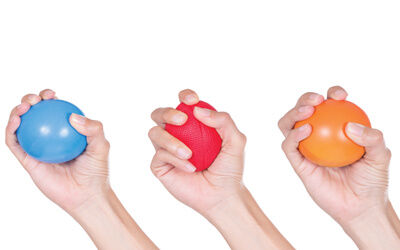
The human hand consists of 27 bones, 27 joints, 34 muscles and over 100 ligaments and tendons, as well as many blood vessels and nerves. This complex and elaborate structure enables us to perform a vast range of movements with strength and precision.
Dental professionals must be able to use their hands with skill and stamina on a daily basis. This can lead to the development of musculoskeletal disorders such as Carpal Tunnel Syndrome (CTS) and Repetitive Strain Injury (RSI), which are common among dental practitioners. In fact, some studies show that 75.1% of dental hygienists have experienced repeated hand problems and 56.5% of dental hygienists have reported having probable CTS. Biomechanical stressors in dentistry include gripping instruments for prolonged periods, straining to adjust lighting or a patient’s position or undertaking intensive, repetitive motions (such as scaling) for long periods without a break.
Keeping the wrists and hand muscles strong can play a vital role in preventing and managing these kinds of injuries and is essential for a long and healthy career in dentistry. Preventive techniques such as stretching and exercising the muscles of the hand and wrist are great starting points. Further measures include altering the workspace and using ergonomically designed instruments, which can offset symptoms and keep your wrists and hands in top condition.
Five Exercises for Muscles of the Hand and Wrist
Whether you are looking to ease existing symptoms or prevent a musculoskeletal disorder from developing, these wrist, hand and finger exercises can help to build strength, increase your range of motion and flexibility and relieve pain. Try to incorporate them into your daily routine, be it before you start your day, between patients or to wind down after your last appointment.
Wrist stretch
- Bring the palms of your hands together at chest height.
- Keeping your palms pressed together, gently raise your elbows until you begin to feel a stretch across your wrists.
- Hold for 30 seconds and repeat.
Make a fist
- Holding your arms out in front of you and keeping your wrists straight, tuck your fingers into your palm with your thumb to make a fist.
- Squeeze and hold for 30 seconds.
- Release the fist and spread your fingers wide.
- Hold this stretch for 30 seconds.
- Repeat two to three times with both hands
Stop Sign
- Holding your arms out in front of you and keeping your wrists straight, make a fist with each hand.
- Slowly release and slide your fingers up toward the ceiling. Your palms should now be facing the wall as if making a stop gesture.
- Hold for 30 seconds and repeat two times with both hands.
Finger Stretch
- Place your hands on a table or flat surface, palms down.
- One at a time, raise each finger up off the surface until you feel a stretch.
- Hold each finger for 10 seconds before gently lowering it back onto the table.
- Repeat two to three times for each hand.
Thumb Flex
- Hold your arms out at a 90-degree angle, palms facing the ceiling.
- Extend your thumb away from your other fingers as far as you can and hold for 30 seconds.
- Release your thumb and stretch it across your palm, toward the base of your little finger. Hold for 30 seconds.
- Repeat two to three times for each hand.
Exercise Tip
If your hands feel stiff, painful, or shaky while performing these exercises, try warming them up by soaking them in warm water or using a heating pad. This will increase blood flow and lubricate your joints, making it easier to move and stretch.
Other Ways to Maintain Strong Wrist and Hand Muscles
In addition to exercising the muscles of the wrist and hand, there are other ways to keep your hands strong and flexible. Clinicians can implement various strategies to reduce the risk of strain and injury and maintain dexterity and strength.
Improve Your Posture
Body mechanics play a crucial role in musculoskeletal health. Research shows that good posture can promote increased energy, less muscle strain, reduced distraction and fewer errors. Bad posture, on the other hand, is reported to result in pain, decreased energy, a negative attitude and poor quality of work.
Your working environment should enable you to adopt a natural and comfortable posture, which in turn promotes efficiency and accuracy in treatment. Good posture begins with your seating position. Feet firmly on the floor, you should be positioned with your shoulders relaxed and elbows by your side. Your back should be supported by the backrest, your neck straight and there should be no need to arch the back to reach a patient’s oral cavity. Maintaining this posture will benefit not only your back and neck health but also that of your hands and wrists.
Take Regular Breaks
Taking short but regular breaks from repetitive tasks can be an effective way to relieve strains on your hands and wrists. This is because short periods of rest enable you to vary your hand positioning and increase movement, which boosts blood flow and improves muscle health.
Try to incorporate short breaks in between each patient. If you can find a couple of minutes, perhaps return to one or two of the above exercises to help increase the range of movement and relieve the onset of any pain.
Select the Right Instruments
Whether mechanical or manual, dental instruments should enable a dental clinician to maintain a neutral posture. Ergonomic hand instruments are critical for both hand health and career longevity. What’s more, choosing the right instruments can also help practitioners strike a balance between personal health and patient care.
When it comes to ergonomics, not all instruments are created equally. Clinicians should look for instruments that are lightweight, have a comfortable handle with enough knurling for tactile feedback and are made with high-quality metals that retain sharp edges. Instruments, such as the XP Sharpen-Free line from American Eagle Instruments, even allow clinicians to modify their scaling technique because the edges stay sharp enough to scale without as much pressure. These tools are made from enhanced stainless steel, meaning that the metal stays strong and sharp over a period of prolonged use. This benefits both the clinician and the patient, as the need for reduced pressure while scaling minimizes fatigue and reduces the risk of breaking off or burnishing calculus.
The Takeaway
Dentistry poses many ergonomic risks and clinicians should be proactive in establishing a healthy routine that can alleviate biomechanical stress. Together, a combination of regular hand and wrist exercises, improved posture, frequent breaks and sound, ergonomically designed instruments will enable you to maintain hand strength and dexterity to see you through a long and healthy career.